








UK manufacturing
Applications knowledge
Aftersales support
Find your solution
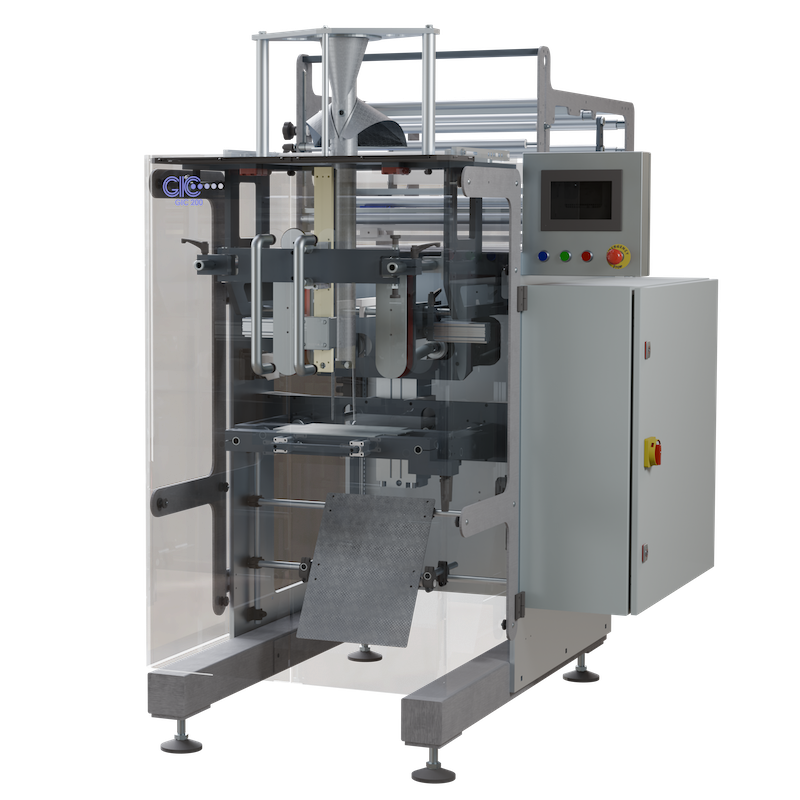
GIC200
250mm Intermittent motion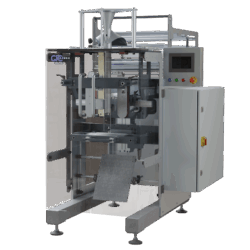
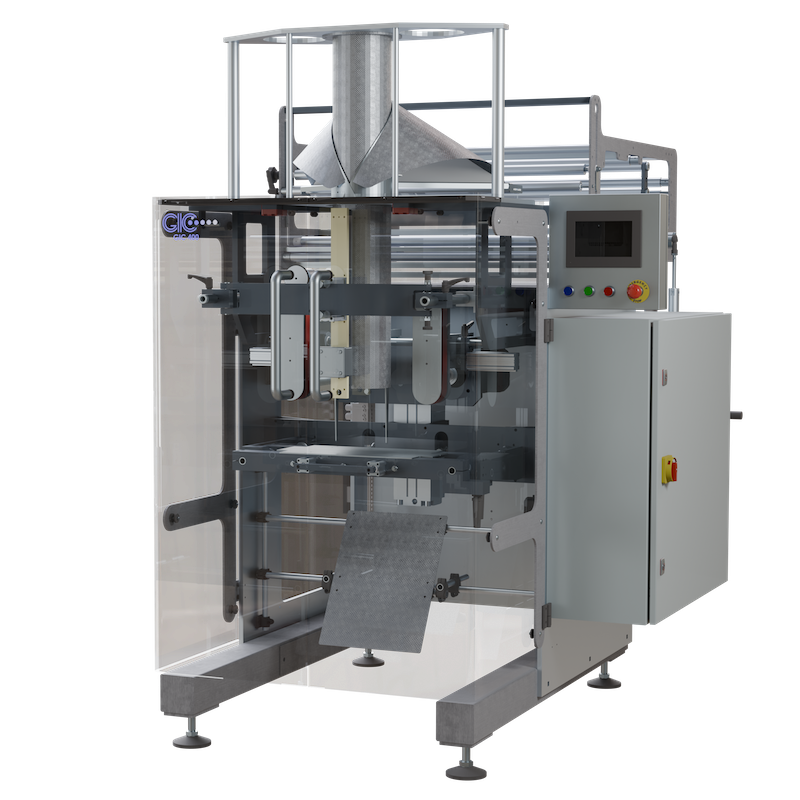
GIC400
400mm Intermittent motion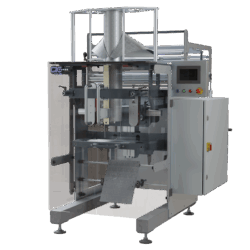
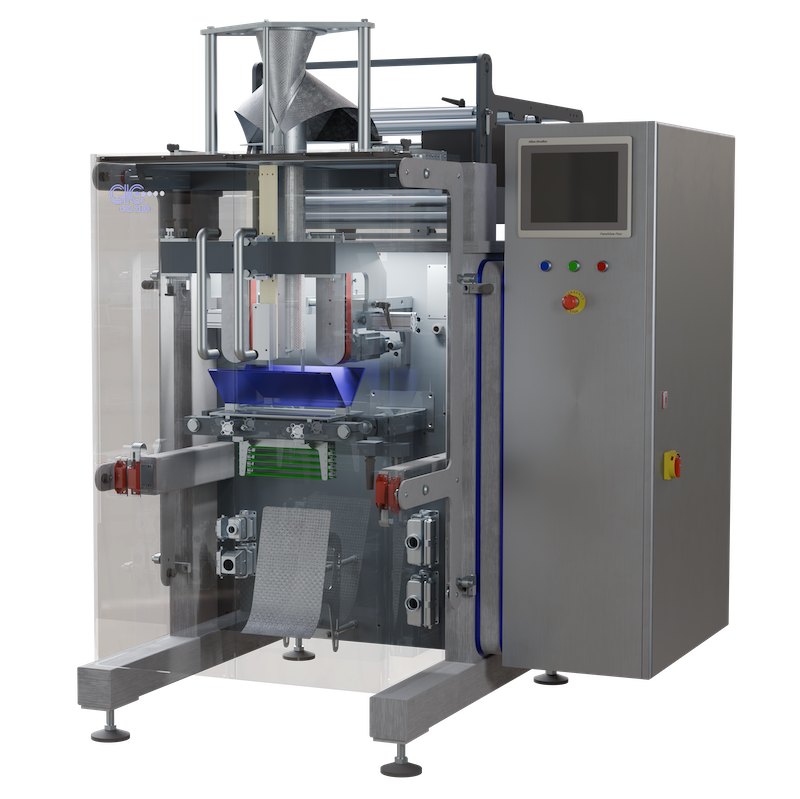
GIC2100
250mm Intermittent motion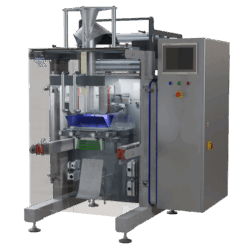
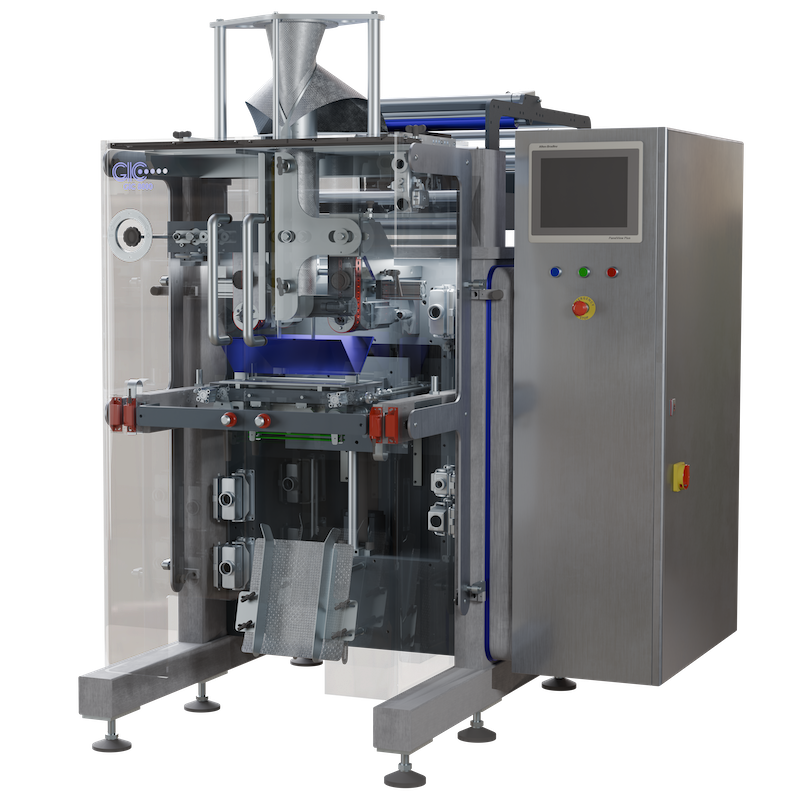
GIC3000
250mm Continuous motion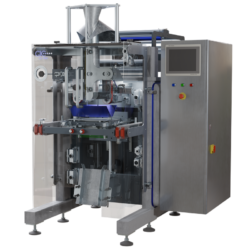
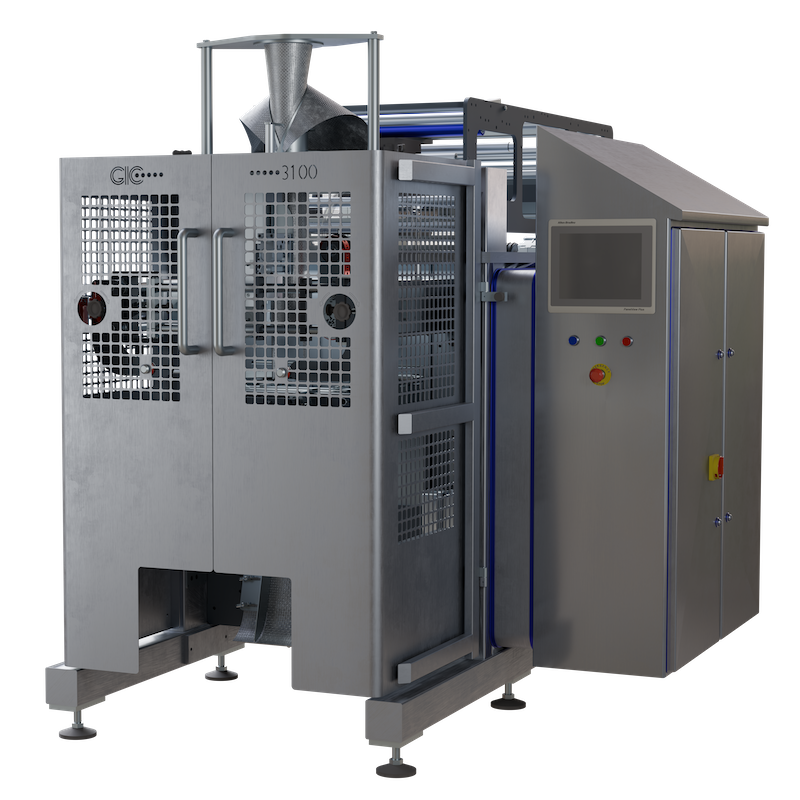
GIC3100
250mm Continuous motion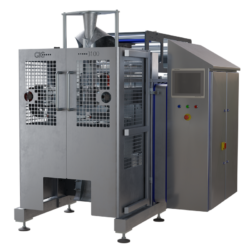
GIC4100
400mm Intermittent motion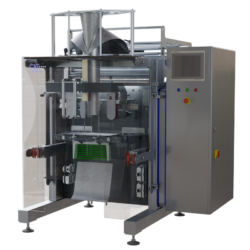
GIC5100
500mm Intermittent motion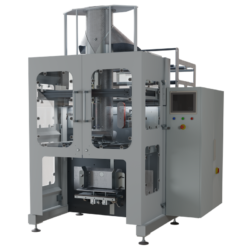
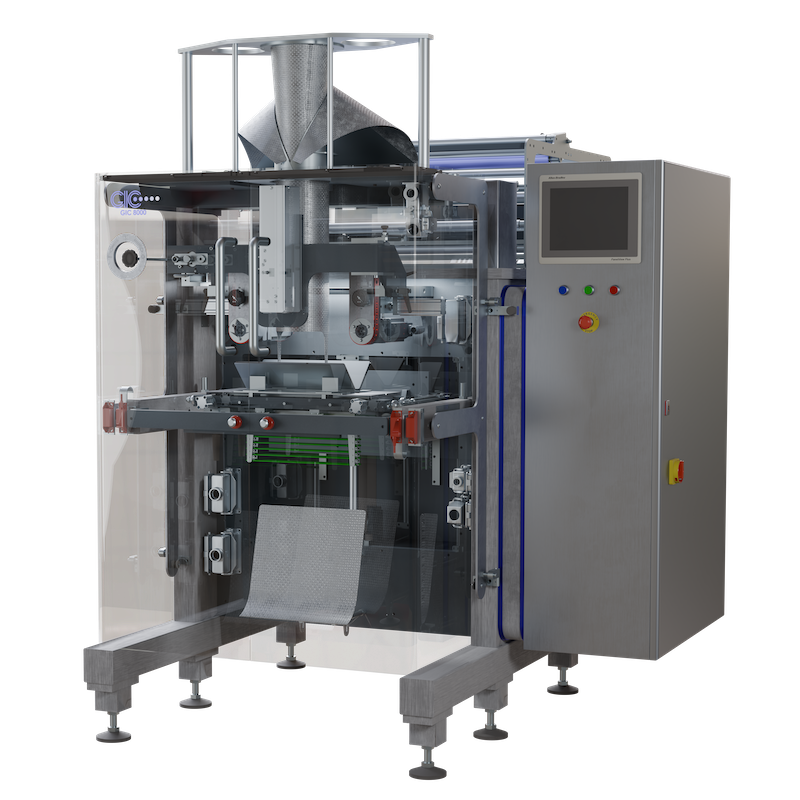
GIC8000
400mm Continuous motion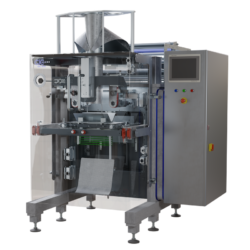
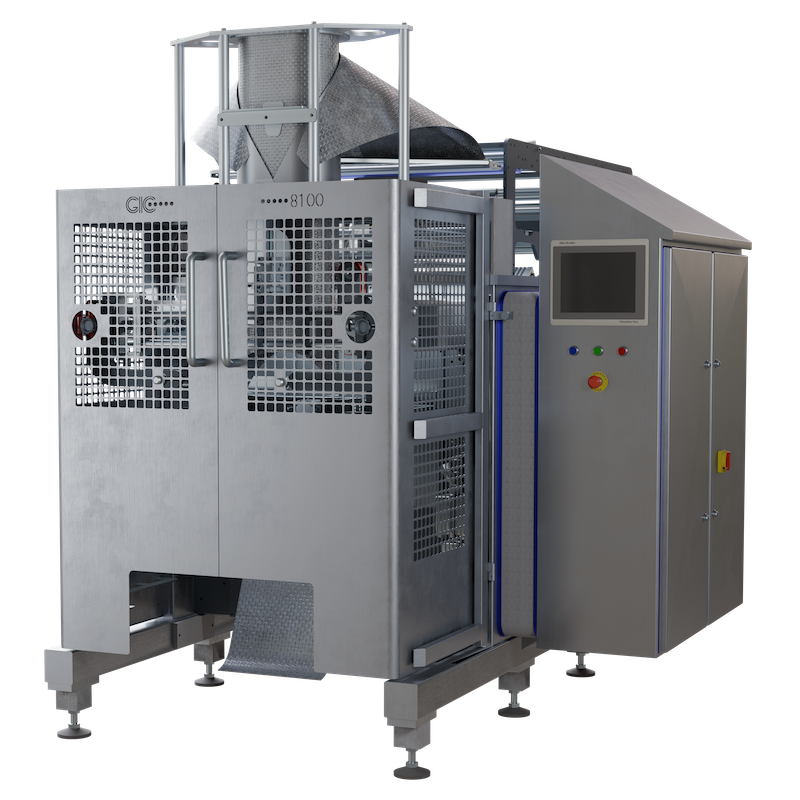
GIC8100
400mm Continuous motion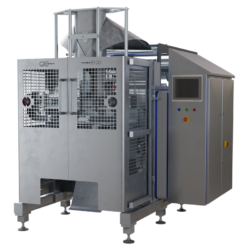
If you have a question, require further information or need a quotation, please don’t hesitate to contact us.
Awards and Accreditations





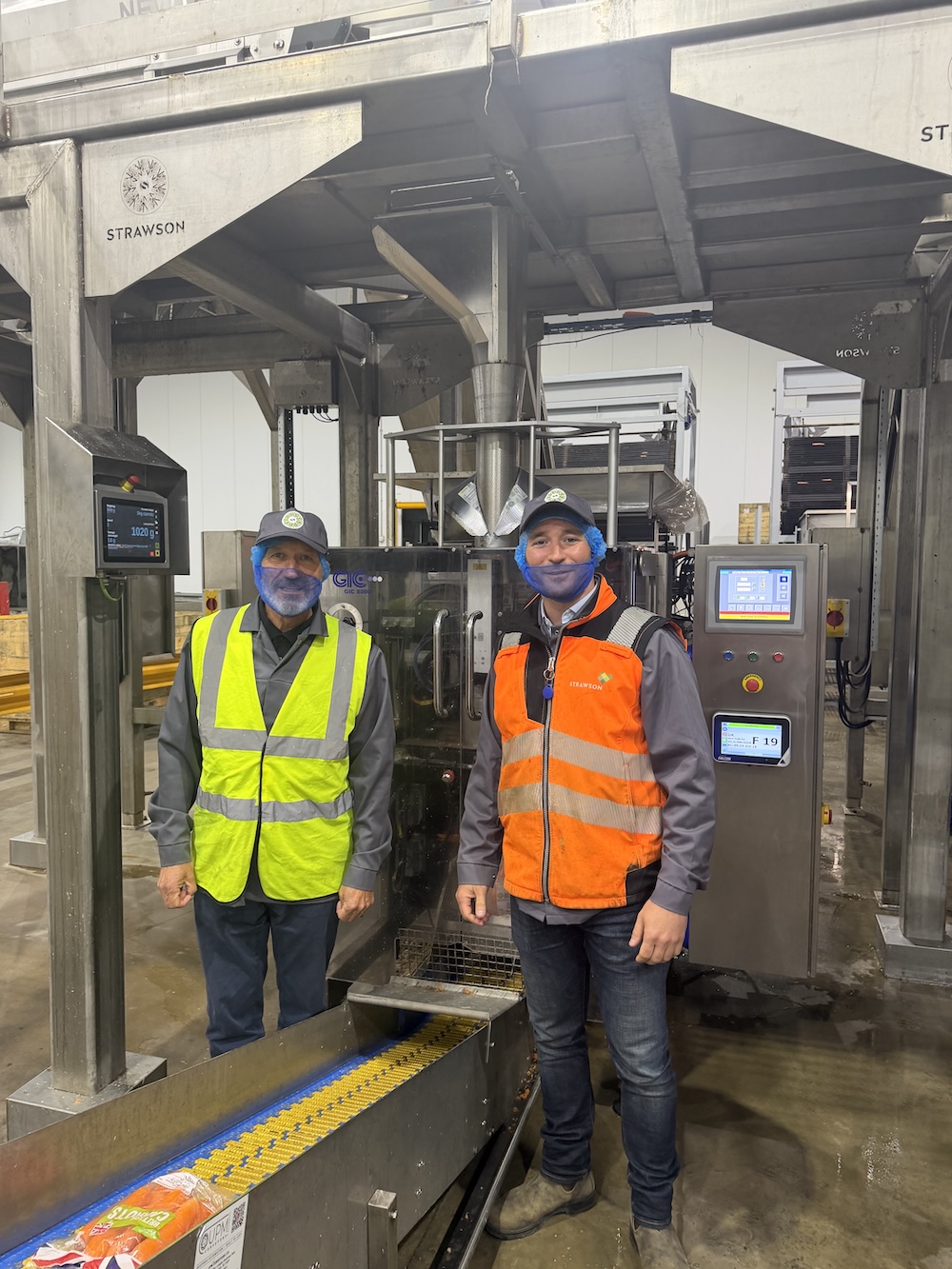
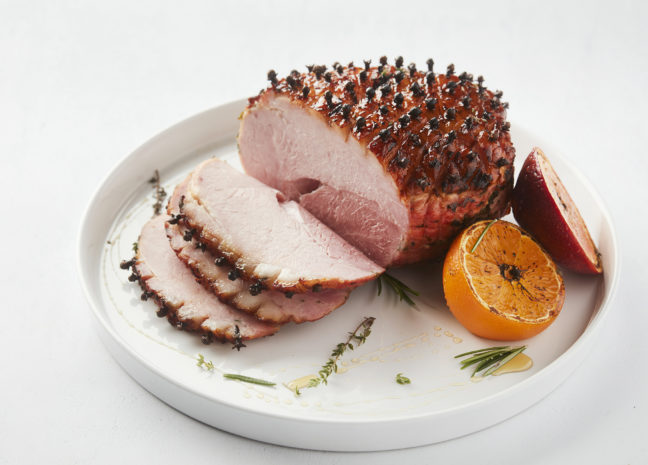
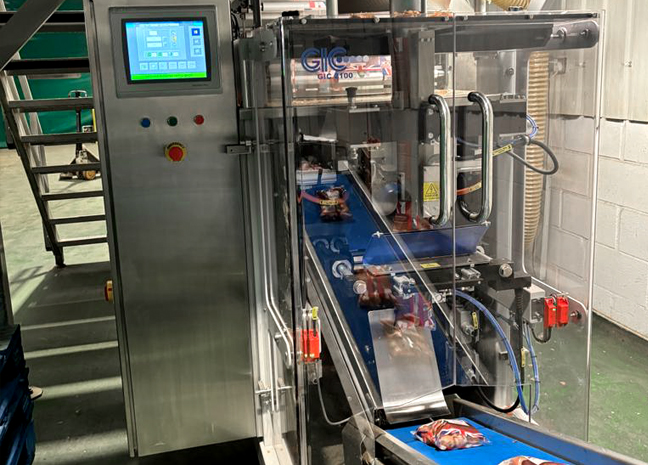
GIC helps Kitchen Garden Produce double its capacity
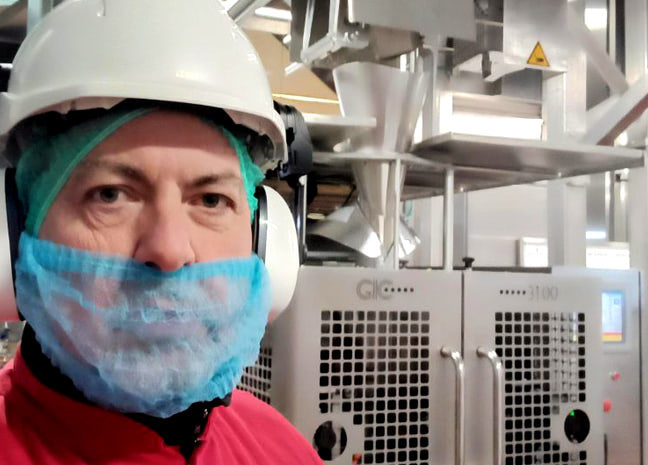
Fenmarcs fantastic four!
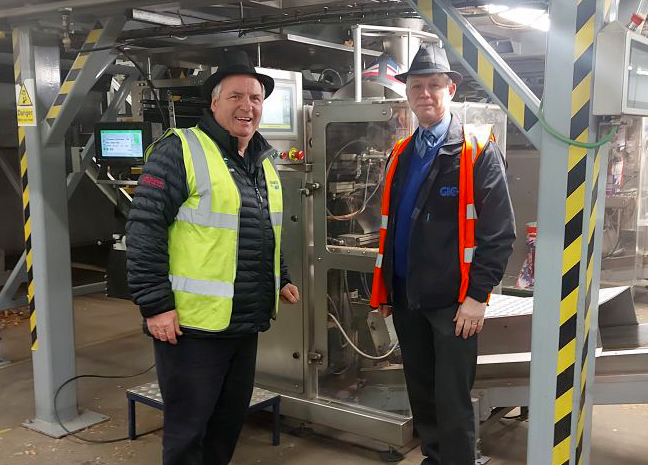
GIC and Stourgarden celebrate 21 years of working together

GIC helps Kitchen Garden Produce boost production
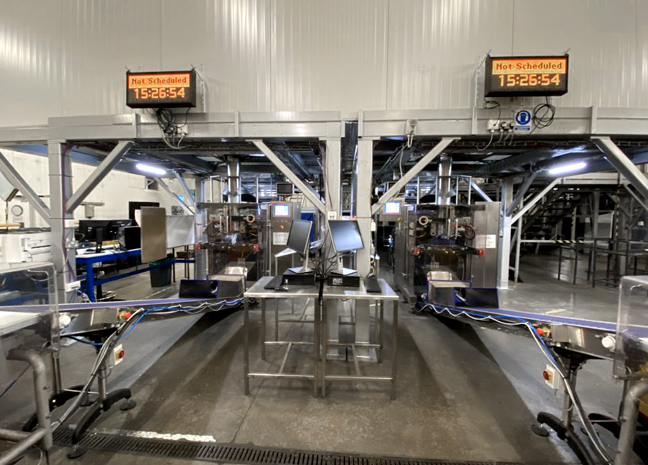
IPL enjoys a 25% increase

GIC’s leaf salad assisted drop brings 10% production increase to Intercrop
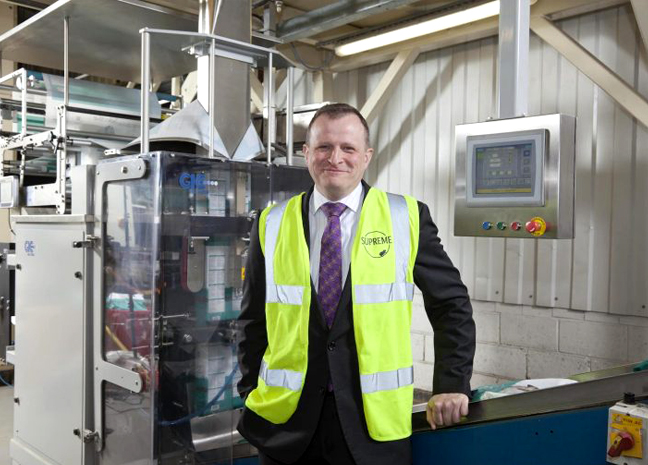
Benefits of GIC machines comes of age at Supreme Petfoods
Working with…






Get in touch with one of our team






Whether you’re new to automated packaging or looking to upgrade your existing production line, understanding Vertical Form Fill Seal (VFFS) machines is essential for making informed decisions. From how VFFS machines work and the products they can package to costs, maintenance requirements, and return on investment, this FAQ guide answers the most common questions businesses ask before investing in VFFS technology.
Explore our insights on machine performance, bag styles, film compatibility, automation options, and integration capabilities to help you find the right packaging solution for your operation.
A vertical form fill seal (VFFS) machine is an automated packaging system that forms bags from a roll of film, fills them with product and seals them vertically in one continuous process.
This machine works by pulling flat packaging film downwards, shaping it into a tube, sealing the vertical seam, dispensing the product into the bag and then sealing and cutting it into individual packages. This entire process is automated, making it highly efficient for large-scale production.
VFFS machines are widely used across industries such as food, pharmaceuticals and consumer goods because they can handle a variety of products, including powders, granules, liquids and small solid items.
They are particularly valued for their speed, consistency, compact design and ability to integrate with weighing and filling systems, making them a popular choice for businesses looking to streamline their packaging operations.
A Vertical Form Fill Seal (VFFS) machine works by automatically forming a bag from flat film, filling it with product and sealing it – all in a continuous vertical process.
Here’s a step-by-step breakdown of how it operates:
- Film Unwind - A roll of packaging film is fed into the machine and unwound in a controlled manner.
- Forming the Bag - The film passes over a forming collar, which shapes it into a vertical tube around a forming tube.
- Vertical Sealing – The edges of the film are sealed together to create a continuous back (longitudinal) seal. This is typically either a fin or a lap seal.
- Filling - The product is dispensed into the formed tube from above.
- Horizontal Sealing - The machine creates a horizontal seal at the top and bottom of each bag, enclosing the product.
- Cutting & Discharge - The sealed bag is cut from the film tube and discharged, ready for the next stage (e.g. boxing or check weighing).
This continuous cycle allows VFFS machines to achieve high speeds, consistent quality and efficient packaging, making them ideal for a wide range of products.
GIC Vertical Form Fill Seal packaging machines are highly versatile and can package a wide range of products across multiple industries, particularly those that are free-flowing or easily dispensed.
They are commonly used for:
Food products:
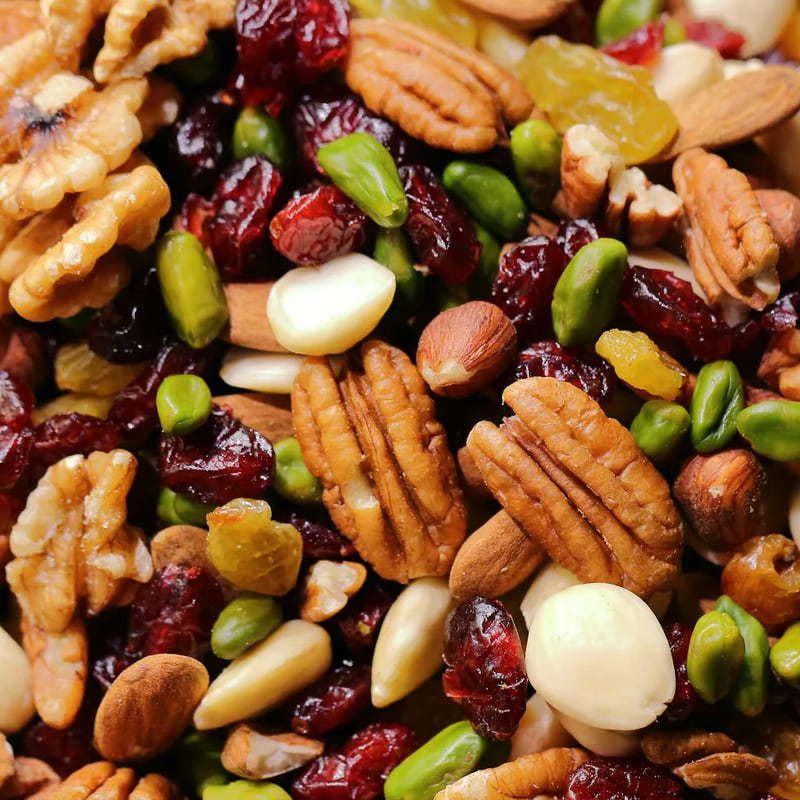
- Snacks (confectionery, nuts, popcorn)
- Dry goods (rice, pasta, sugar, coffee, cereals)
- Powders (flour, protein powder, spices)
- Frozen foods (vegetables, chips, seafood)
- Liquids and sauces (with the correct filling system)
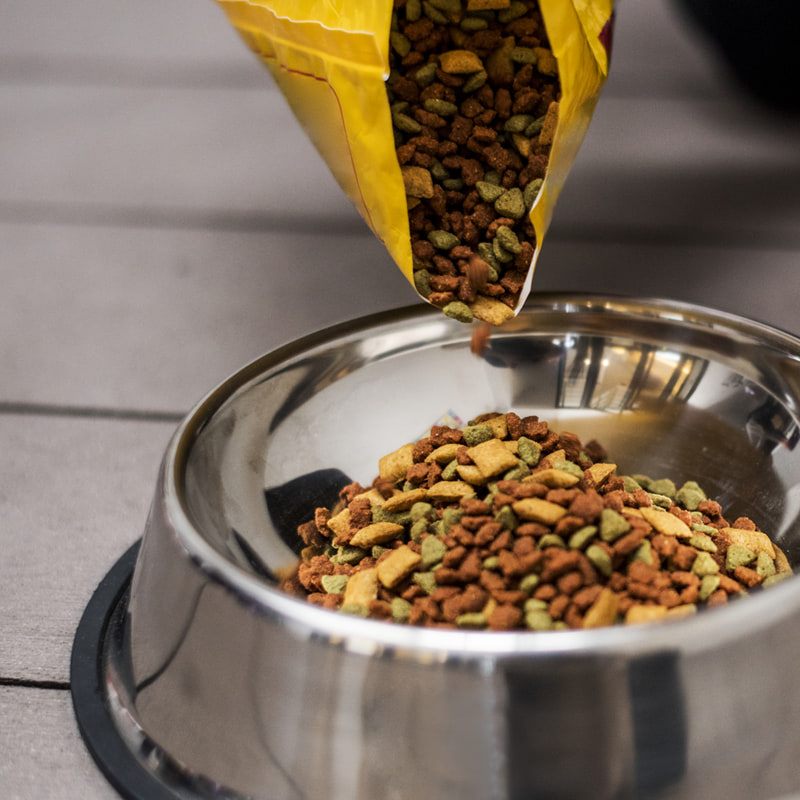
- Pet food and animal feed
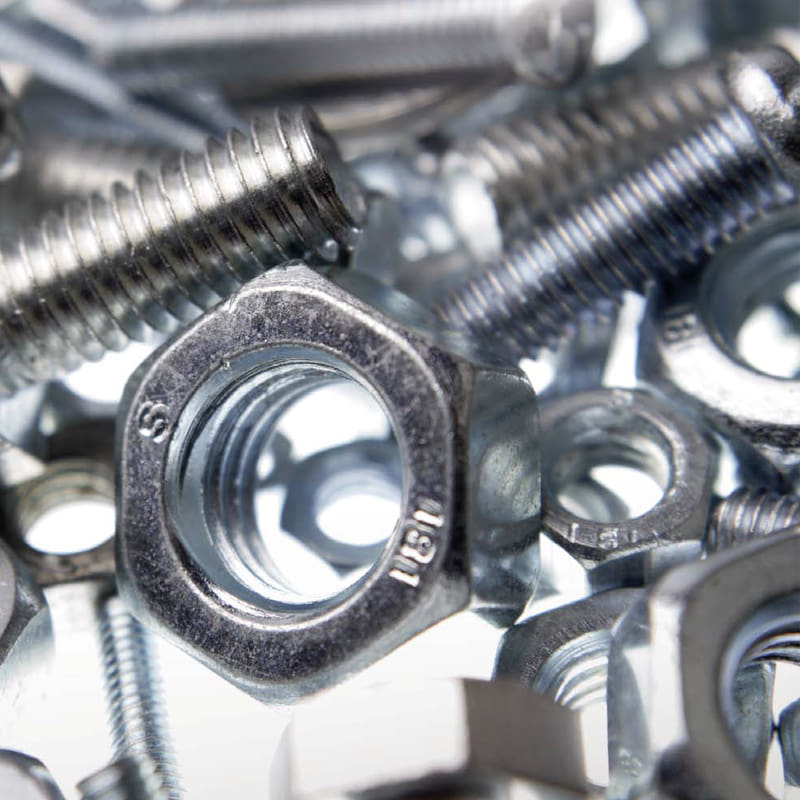
- Hardware items (screws, nails, small components)
- Pharmaceuticals (tablets, powders)
- Chemicals (granules, detergents)
- Aggregates
GIC VFFS machines can handle different product types by integrating with the appropriate filling systems, such as multiheaded and linear weighers for solids, auger fillers for powders and pumps for liquids.
Overall, they are ideal for packaging bulk, loose or flowable products efficiently and at high speed. This makes them a popular choice across food, industrial and consumer goods sectors.
VFFS machines are used across a wide range of industries, particularly those handling free-flowing, bulk or high-volume products. Based on the sectors supported by GIC, these machines are commonly used in:
Aggregates
They can be used for heavier-duty applications such as aggregates and construction-related materials, demonstrating their versatility beyond food products.
Coffee
Our VFFS machines can integrate gas flushing and valve application to efficiently package coffee, whether ground or whole beans, ensuring freshness and quality.
Fresh Produce
Widely used for packaging fresh produce such as potatoes, carrots, and parsnips, GIC VFFS machines deliver high-speed performance while maintaining product freshness.
Fresh Leaf salad & herbs
GIC VFFS machines are widely used for packaging fresh leaf salad where speed and product freshness are essential.
Frozen Foods
They are ideal for frozen vegetables, chips and seafood, offering efficient, high-speed packaging for large-scale food production.
Hardware
VFFS machines are also used to package small components like screws, fittings and other hardware items efficiently in bulk quantities.
Liquids
With the correct filling systems, VFFS machines can handle liquid products, making them suitable for sauces, oils and other fluid products.
Pet Food
They are highly effective for packaging dry pet food and treats in various bag sizes, from small retail packs to larger bulk formats.
Powders & Pulses
Used for products such as flour, grains, salts and industrial powders, including applications in food, chemical and building material sectors.
Protein Foods
VFFS machines are used to package protein-based products, supporting both food manufacturing and specialist nutrition sectors.
Snacks & Confectionery
Commonly used for nuts, sweets and confectionery products where consistent portioning and fast output are critical.
Overall, VFFS machines are used in industries that require fast, reliable and scalable packaging for loose, granular, powdered or liquid products, making them a versatile solution across both food and non-food sectors.